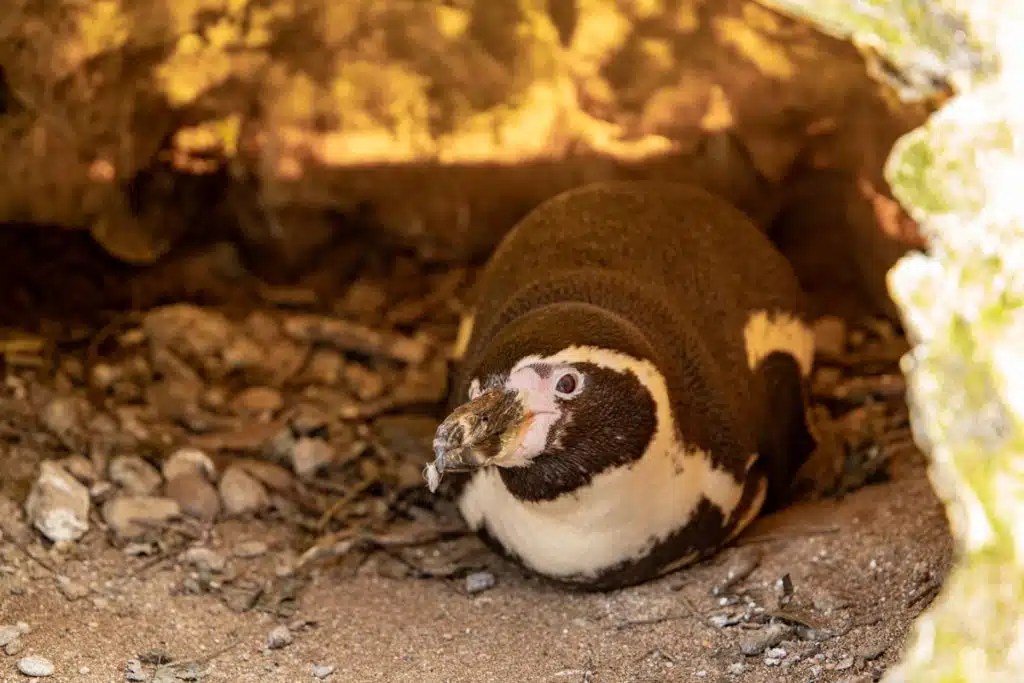
It begins with a simple, yet profound, marvel of nature: an egg. Nestled on a rocky outcrop, tucked into a burrow, or precariously balanced on a father’s feet, this small, self-contained universe holds the promise of a new life. For anyone eager to delve into the fascinating world of our flightless feathered friends, Understanding Penguins' Eggs: Features and Use Cases unlocks a saga of ingenious survival, complex parental dedication, and remarkable adaptation. It’s a story far richer than just a shell and a yolk; it’s a masterclass in reproductive strategy, shaped by eons of evolution.
At a Glance: Penguin Egg Essentials
- Strategic Clutch Size: Most penguins lay two eggs, but larger species like Emperors lay one. This isn't random; it's a calculated strategy to maximize survival odds against high mortality rates and resource limitations.
- Built for Purpose: Penguin eggs boast thick shells for protection and come in various shapes and sizes, adapted to their specific nesting environments and species.
- Diverse Nests: From pebble mounds to underground burrows, or even no nest at all (like the Emperor, who uses his feet), nesting strategies are as varied as the penguins themselves.
- Dedicated Parents: Incubation is often a shared responsibility, with complex routines ensuring the egg's survival. Emperor penguin males, for instance, undertake an astonishing solo incubation vigil.
- Beyond the Shell: Egg-laying is just the first step. Parental care extends to feeding, protecting, and raising chicks, often involving crèches (chick nurseries) and prolonged dependence.
- Facing the Future: Penguin eggs are acutely vulnerable to environmental changes, highlighting the critical link between their reproductive success and broader ecosystem health.
The Blueprint of Life: Why Penguin Eggs Are More Than Just a Shell
When you gaze upon a penguin egg, you're looking at more than just a potential chick. You're observing the culmination of intricate biological processes, a testament to evolutionary pressures, and a sophisticated strategy for species survival. The 'use case' for a penguin egg, in biological terms, is nothing short of ensuring the continuation of its lineage, often against overwhelming odds.
Why the "One or Two" Question Matters: Clutch Size Strategies
It might seem straightforward: more eggs, more chicks, right? Not necessarily. The number of eggs a penguin lays – its "clutch size" – is a carefully calibrated reproductive compromise, a decision made by evolution to maximize the chances of raising at least one chick. This isn't about being greedy; it's about being smart in a world fraught with danger and limited resources.
The Two-Egg Advantage: Insurance and Opportunity
Many penguin species, especially smaller ones like Macaroni and Rockhopper penguins, typically lay two eggs. This strategy offers several distinct advantages. Think of it as an insurance policy: if the first egg fails to hatch, or the first chick is weak, there’s a backup. It’s also an opportunity to increase reproductive output, giving parents a shot at raising two chicks if conditions are exceptionally good.
However, it often becomes a subtle, natural crucible. Sibling competition for food, a harsh reality in many nests, often favors the stronger, healthier chick. While seemingly brutal, this ensures that the most robust offspring receives the resources, embodying "survival of the fittest" at its earliest stage. The "loser" chick, unfortunately, often succumbs, but the species ensures the best genetic material is passed on.
When One Egg is Enough: Extreme Environments and High Investment
Not all penguins subscribe to the two-egg philosophy. Larger species, most notably the majestic Emperor penguin and the regal King penguin, lay just a single egg. This isn't due to a lack of capability, but rather a direct adaptation to the extreme environments they inhabit and the immense parental investment required.
Consider the Emperor penguin, breeding in the brutal Antarctic winter. Raising even one chick demands an extraordinary commitment: prolonged incubation in freezing temperatures, a male’s months-long fast, and extended post-hatch care. Doubling that effort for a second chick would likely be unsustainable, risking the survival of all offspring and even the parents themselves. For these species, quality over quantity is the winning strategy.
The Crucial Role of Resources: Fueling Reproduction
The decision between one or two eggs is fundamentally dictated by resource availability. Food – be it krill, fish, or squid – is the lifeblood of reproduction. Feeding two chicks requires significantly more parental energy, time, and foraging trips. If food is scarce, parents simply can't sustain two hungry mouths.
This explains why even species that lay two eggs, like Macaroni and Rockhopper penguins, often only manage to raise one chick successfully. The parents invest in two, but resource limitations force a "clutch reduction." The stronger chick, often the first to hatch or simply more vigorous, outcompetes its sibling for the limited food regurgitated by the parents.
Other factors also weigh in: the age and experience of the parents, local environmental conditions (like ice coverage or storm frequency), and the ever-present threat of predation. A young, inexperienced pair or a season with unusually harsh weather might struggle to raise even one chick, whereas seasoned parents in a bounty year might pull off two.
A Hidden Purpose? The First Egg's Mystery
For some species, particularly Macaroni penguins, the first egg laid is often noticeably smaller and less likely to hatch. This intriguing observation has led scientists to speculate about its purpose. Could it be a nutritional reserve, a sacrificial offering of sorts, providing energy to the female as she prepares for the second, primary egg? Or perhaps it serves as a "test run" for parental capabilities, allowing the birds to fine-tune their incubation skills before the main event. It's a subtle yet profound example of how nature optimizes for survival, even if it means a seemingly lesser investment initially.
From Conception to Laying: The Reproductive Journey
The creation of a penguin egg is a testament to biological precision, a journey that begins long before the egg emerges. Like all birds, penguins reproduce through internal fertilization, leading to the formation of eggs within the female's body.
Timing is Everything: Breeding Seasons Around the Globe
Penguin breeding seasons are finely tuned to their environments. Most species follow an annual rhythm, timing their egg-laying from spring through summer when food is abundant and temperatures are milder. This window offers the best chance for chicks to grow and fledge before the harshness of winter returns.
However, some species defy this norm. The Emperor penguin, as mentioned, embraces the Antarctic winter, laying its single egg between June and August. This allows chicks to fledge just as the sea ice breaks up in spring, providing easier access to food. On the other end of the spectrum, species like the Little, Humboldt, and African penguins, residing in more temperate zones, might breed year-round, taking advantage of consistent food supplies and less extreme seasonal variations.
Building a Nursery: Diverse Nesting Strategies
Once fertilized, the egg needs a safe haven. Penguins employ a remarkable array of nesting strategies, each perfectly suited to their particular habitat.
- Pebble Perfection: Species like the Adélie, Gentoo, and Chinstrap penguins are master architects of the pebble nest. They meticulously collect stones and pebbles, arranging them into circular mounds. This elevated structure provides crucial drainage, protecting eggs from meltwater and keeping them dry. It's a clever solution for breeding on exposed, often icy, terrain.
- Underground Sanctuaries: For species like the Little, Humboldt, African, and Magellanic penguins, safety lies beneath the surface. They dig intricate burrows in soil, sand, or even guano beds. These underground tunnels offer excellent insulation against temperature extremes and provide a vital shield against aerial predators and ground-based scavengers. It's a cozy, hidden nursery designed for protection.
The Emperor's Unique Approach: A Cradle on Feet
Perhaps the most iconic nesting strategy belongs to the Emperor penguin. They build no nests at all. In the unforgiving Antarctic winter, building a nest of pebbles or digging a burrow is simply impossible. Instead, the female lays her single egg directly onto the ice, then carefully transfers it to the male's feet. He then tucks the precious cargo under a specialized, featherless brood patch, rich with blood vessels, which acts like a natural incubator. This direct body-to-egg contact prevents the egg from touching the freezing ground, a vital defense against the lethal cold.
Guardians of the Future: The Art of Penguin Parental Care
Laying an egg is only the first chapter in the arduous journey of reproduction. The real marathon begins with incubation and the subsequent, demanding task of raising a chick. Penguin parents are paragons of dedication, often enduring immense personal sacrifice to ensure their offspring's survival.
Sharing the Load: Incubation Duties
In most penguin species, incubation is a shared responsibility. Parents take turns, with one bird remaining on the nest to keep the eggs warm and protected, while the other heads out to sea to forage for food. This rotation ensures that both parents remain healthy enough to sustain the rigorous demands of chick-rearing, and that the eggs are never left unattended. The precision required to swap roles, often involving complex vocalizations and rituals, is a testament to their strong pair bonds.
The Male's Burden: Emperor Penguin Dedication
The Emperor penguin male's incubation duty is legendary. After the female lays her egg and transfers it to him, she departs for a two-month foraging trip, leaving the male to face the harshest part of the Antarctic winter alone. For about 62-66 days, he stands hunched, balancing the egg on his feet, enduring temperatures as low as -60°C and fierce blizzards, all while fasting. It's an epic feat of endurance, showcasing unparalleled paternal commitment. To conserve warmth during this long vigil, Emperor penguin males huddle together in dense groups, sharing body heat and shielding each other from the biting winds. This collective effort highlights the social aspect of their survival strategy.
The Clock is Ticking: Incubation Timelines
The incubation period varies significantly among species, reflecting their size, the environment, and the complexity of their development. Some crested penguins, for example, have incubation periods of about a month. Emperor penguins, with their single, large egg and slow developmental pace, endure the longest incubation, stretching over two months. This period is a critical window; any prolonged exposure to cold or predation can spell doom for the developing embryo.
Beyond the Shell: Raising Vulnerable Chicks
Once the chick successfully breaks free from its shell, a new phase of intense parental care begins. These tiny, downy creatures are utterly helpless and completely dependent on their parents for everything.
First Meals: Nourishing the Newborns
Penguin chicks rely entirely on their parents for food. Adults forage in the ocean, consuming krill, fish, or squid, which they then partially digest and regurgitate for their hungry offspring. This nutrient-rich "soup" provides the vital energy and proteins needed for rapid growth. King penguins have an additional trick up their sleeve, producing a nutrient-rich "crop milk" – a high-fat, high-protein substance secreted from a gland in their esophagus, similar to that of pigeons, offering vital sustenance to their young.
The Crèche Concept: Safety in Numbers
As chicks grow, they become too large for parents to constantly shelter under their bodies. To solve this, many penguin species gather their chicks into large, supervised groups known as "crèches." Think of it as a penguin nursery school. While a few adult "babysitters" guard the crèche, the majority of parents are free to forage more efficiently without the constant need to protect their individual chick. This strategy offers multiple benefits: increased safety from predators (many eyes, many bodies), shared warmth, and a more efficient allocation of parental foraging time.
The Long Road to Independence: Fledging
The journey from a tiny hatchling to an independent, ocean-ready juvenile, known as "fledging," is long and demanding. The timeline varies greatly depending on the species. Adélie penguin chicks, for example, fledge relatively quickly, becoming independent after just 7-9 weeks. King penguin chicks, however, face a monumental task, taking up to 13 months to reach independence. This extended fledging period often involves periods of "fasting" where parents might be away for long stretches, forcing the chicks to rely on fat reserves and adapt to waiting for food. This also means that King penguins can only successfully raise a chick every two years.
For those interested in building complex systems from foundational elements, much like nature creates life from an egg, exploring tools for Penguins Eggs Linux ISO creation can offer a fascinating digital parallel in system assembly and deployment.
Behind the Shell: Unpacking Penguin Egg Features
Penguin eggs aren't just generic spheres; they are marvels of biological engineering, each feature honed by evolution to suit the unique challenges of their environment and species. From their color to their shape and the thickness of their shell, every aspect plays a critical role in the survival of the embryo within.
A Canvas of Nature: Colors and Camouflage
Most penguin eggs display a palette ranging from stark white to bluish or greenish-white. These colors aren't chosen for aesthetics; they serve practical purposes. In icy, snowy environments, lighter shades can help the eggs blend with their surroundings, offering a degree of camouflage against keen-eyed predators. In other contexts, lighter colors might reflect sunlight, helping to prevent overheating in warmer climates or during periods of direct sun exposure, though this is less common for species nesting in colder climes.
Form Follows Function: Shapes and Sizes
The shape of a penguin egg is another clever adaptation. While Humboldt and Adélie penguins typically lay more rounded or oval-shaped eggs, Emperor and King penguins are known for their distinctive pear-shaped eggs. This pear shape isn't just a quirk; it's a brilliant design feature. If dislodged from the parent's feet or from a precarious spot on the ice, a pear-shaped egg won't roll far in a straight line. Instead, it tends to roll in a tight circle, keeping it close to the parent or nest and reducing the risk of it tumbling away into the freezing abyss or being lost.
Egg size, unsurprisingly, correlates with the size of the penguin species. The massive Emperor penguin lays one of the largest eggs in the bird world, measuring an impressive 11.1-12.7 cm long and weighing 345-515 grams – roughly the size of a large avocado. In contrast, the smaller Adélie penguin lays more modest eggs, typically 5.5-8.6 cm long and weighing 61-153.5 grams. This scaling ensures that the developing chick has enough yolk reserves to grow to a viable size, appropriate for the energy demands of its species.
Built to Last: The Resilient Shell
A penguin egg's shell is more than just a brittle casing; it's a robust protective barrier. Penguin eggs typically have thick shells, a critical adaptation for several reasons:
- Impact Protection: Nests can be crowded, and parents might inadvertently nudge or step on eggs. A thick shell provides greater resistance to breakage.
- Dehydration Defense: In harsh, often windy environments, thick shells help reduce water loss from the egg, preventing dehydration of the developing embryo.
- Temperature Stability: While less insulating than thick feathers, a robust shell offers some buffer against rapid temperature fluctuations.
The Count: How Many Eggs Per Species?
As we've explored, the number of eggs laid isn't uniform across all penguin species. While the majority of species, including Gentoos, Chinstraps, and Macaronis, lay two eggs, the largest species, the Emperor and King penguins, are resolute one-egg layers. This diversity underscores the finely tuned evolutionary strategies that have allowed penguins to thrive in their varied and challenging habitats worldwide.
Beyond the Myths: Debunking Common Penguin Egg Misconceptions
Despite their popularity, penguins and their reproductive habits are often shrouded in misconceptions. Clearing these up helps us appreciate the true complexity and ingenuity of their survival strategies.
Myth 1: All Penguins Lay Two Eggs
Reality: While many penguin species do lay two eggs, it's not a universal rule. As highlighted, the largest species, Emperor and King penguins, lay only one egg. This is a crucial adaptation to extreme environments and the immense parental investment required to raise a single chick. Thinking all penguins follow the same pattern misses the incredible diversity in their life histories.
Myth 2: More Eggs Always Mean More Chicks
Reality: Laying two eggs doesn't automatically translate to successfully raising two chicks. Smaller species, such as Macaroni and Rockhopper penguins, frequently lay two eggs but often only manage to fledge one. This "clutch reduction" is a harsh reality driven by resource availability. When food is scarce, the stronger chick outcompetes its weaker sibling, ensuring that at least one offspring has the best chance of survival. It's a strategic investment with a built-in triage system.
Myth 3: Laying Eggs is a Simple Process
Reality: The entire reproductive cycle, from internal fertilization to egg-laying and incubation, is a highly complex, energetically demanding, and risky process. The timing of egg-laying, the construction of suitable nests (or the intricate act of balancing an egg on feet), the shared responsibilities of incubation, and the constant threat of predators and environmental changes make it anything but simple. Each step requires immense physiological effort and precise behavioral adaptations.
The Grand Challenge: Environmental Threats to Penguin Reproduction
The delicate balance of penguin reproduction, so finely tuned by evolution, is increasingly threatened by human-induced environmental changes. Understanding how these factors impact their clutch size strategies and overall reproductive success is vital for conservation efforts.
Climate Change: Reshaping Breeding Strategies
Climate change poses an existential threat to many penguin populations. Shifting sea ice patterns, changes in ocean currents, and rising temperatures directly impact food availability and breeding habitats. For instance, reduced sea ice in the Antarctic can limit foraging grounds for species like the Adélie and Emperor penguins, making it harder for parents to find enough food to support egg development and chick growth. Unpredictable weather events, like unusually severe storms or rapid snowmelt, can destroy nests and expose eggs or young chicks, leading to significant reproductive failure. These stressors can force penguins to adapt their strategies, sometimes leading to smaller clutch sizes or reduced breeding success, simply to survive.
Resource Scarcity: The Ripple Effect
The availability of food is the single most critical factor influencing reproductive success. Overfishing of krill, fish, and squid – the primary diet of penguins – directly competes with their needs. When food resources are scarce, parents are less likely to lay eggs, or if they do, the eggs may be smaller, less viable, or the chicks may starve. This scarcity can lead to a domino effect: fewer chicks surviving, reduced population sizes, and ultimately, a threat to the long-term viability of entire colonies.
Predation and Disturbance: Constant Threats
Penguin eggs and chicks are vulnerable to a range of predators, both on land and from the air. Skuas, gulls, and leopard seals are opportunistic hunters that will readily exploit unattended nests or unguarded chicks. Human disturbance, whether from tourism, research, or industrial activities, can also inadvertently increase predation rates by startling parents off their nests, leaving eggs exposed. Understanding these pressures helps in developing conservation strategies that minimize human impact and protect vulnerable breeding sites.
Our Role in Their Survival: Protecting Penguin Legacies
The intricate dance of penguin reproduction, with its strategic clutch sizes, dedicated parental care, and resilient eggs, is a natural wonder that deserves our deepest respect and protection. As we gain a deeper understanding of penguins' eggs: features and use cases, we also gain a clearer picture of their vulnerabilities.
Understanding the Intricacies: Why It Matters
Recognizing why a penguin lays one egg versus two, or why one chick often survives over another, isn't just academic curiosity. It provides critical insights into the health of marine ecosystems. Penguins are indicator species; their reproductive success acts as a barometer for the vitality of the oceans. When penguins struggle to reproduce, it signals broader environmental issues that ultimately affect all life, including our own. This understanding empowers scientists, policymakers, and conservationists to make informed decisions about marine protected areas, sustainable fishing practices, and climate change mitigation.
Supporting Conservation: Practical Steps
Protecting penguin eggs means protecting penguins, their habitats, and their food sources. This can involve supporting organizations dedicated to marine conservation, advocating for policies that reduce carbon emissions and regulate unsustainable fishing, and simply being a responsible global citizen. Every effort to reduce plastic pollution, minimize your carbon footprint, and raise awareness contributes to a healthier planet for penguins and countless other species.
Moving Forward: A Call to Action for Future Generations
The story of the penguin egg is a powerful narrative of life's tenacity and adaptation. From the humble pebble nest to the perilous foot-incubation in the Antarctic winter, each egg represents a monumental investment in the future. By appreciating the remarkable features and critical 'use cases' of these eggs – primarily, their role in perpetuating a species against incredible odds – we gain a deeper appreciation for the interconnectedness of life on Earth.
Let this understanding move us beyond mere observation to active stewardship. The future of these charismatic birds, and the survival of their precious eggs, rests squarely on our ability to protect the planet they call home. The next generation of penguin chicks, patiently developing within their resilient shells, depends on the choices we make today.